
Día de los Muertos, Explained: The Tradition That Opens the San Diego Food + Wine Festival
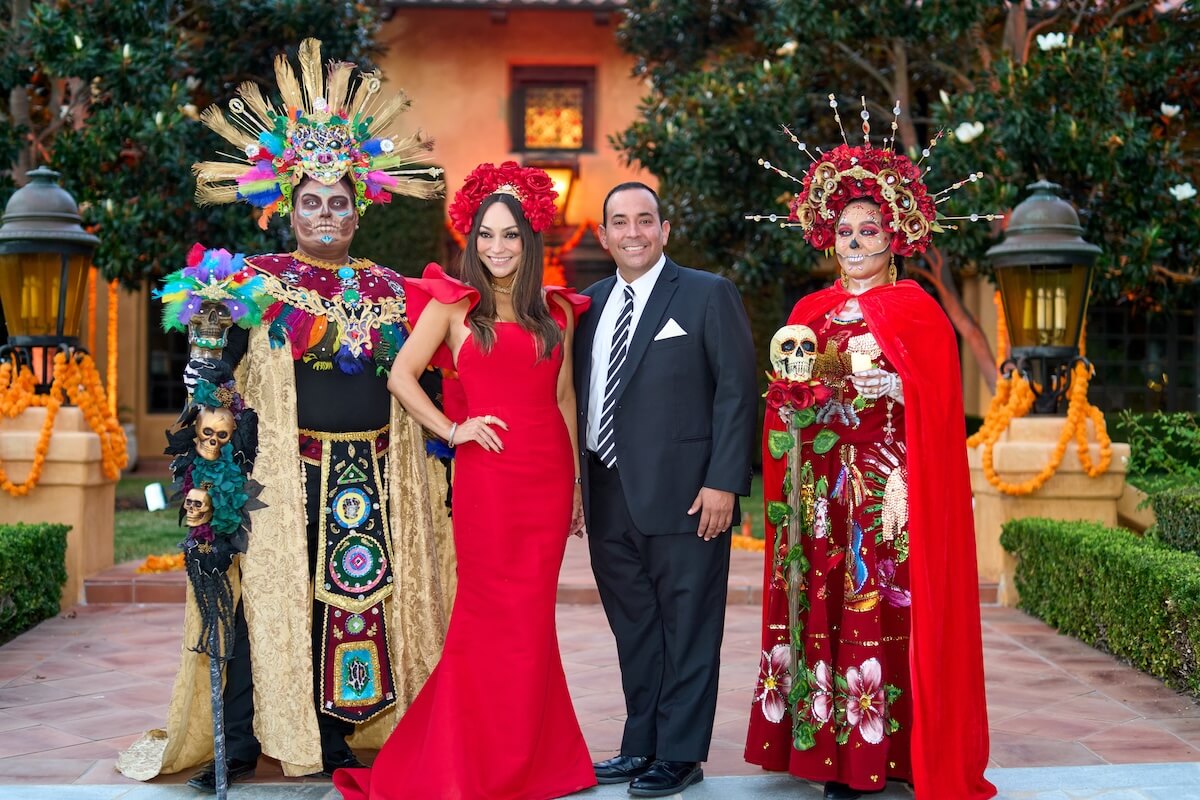
This year, the San Diego Food + Wine Festival opens on the first day of one of Mexico's most meaningful traditions, and that's no accident.
Our region sits on the border, and the flavors, families and traditions of Mexico are woven into how San Diego eats, drinks and celebrates. So before the Grand Weekend, before the dinners and the tastings, the festival begins with a night devoted to memory, culture and generosity: the Día de Muertos Gala.
If you've ever wondered what the holiday is really about, or what makes this gala unlike any other night of the week, here's your guide.
What is Día de los Muertos?
Día de los Muertos, often shortened to Día de Muertos in Mexico, is a celebration of loved ones who have passed away. It takes place over November 1 and 2, and many families dedicate the first day to children who have died and the second to adults.
Despite the skulls and skeletons, it isn't a Mexican version of Halloween. It's a joyful, deeply personal holiday built on the belief that the spirits of the departed return to visit their families for a short time each year. Rather than mourning, families welcome them home with food, music, stories and light.
The tradition blends Indigenous customs that stretch back centuries with Catholic observances of All Saints' Day and All Souls' Day. Its cultural importance is recognized worldwide: UNESCO includes it on its list of the Intangible Cultural Heritage of Humanity.
The symbols, and what they mean
- The ofrenda: A home altar arranged with photos of loved ones, candles, water and the foods and drinks they enjoyed most. It's an invitation, set out so visiting spirits feel welcome.
- Cempasúchil (marigolds): Bright orange marigolds are the holiday's signature flower. Their vivid color and strong scent are said to guide spirits home, and families often scatter petals in paths leading to the ofrenda.
- Pan de muerto: A soft, lightly sweet bread topped with dough shaped like bones, baked especially for the season and shared with the living and the dead alike.
- Calaveras: Decorated skulls, often made of sugar and sometimes inscribed with a name, that treat death with humor and affection instead of fear.
- Papel picado: Delicate cut-paper banners in bright colors that flutter over altars, streets and celebrations.
Who is La Catrina?
The elegant skeleton in a wide, flower-trimmed hat has become the holiday's most recognizable face. She began as a satirical etching by Mexican printmaker José Guadalupe Posada in the early 1900s, poking fun at people who dressed in European fashions to hide their Mexican roots. Decades later, muralist Diego Rivera painted her in full-length finery in one of his most famous murals, and she became an icon.
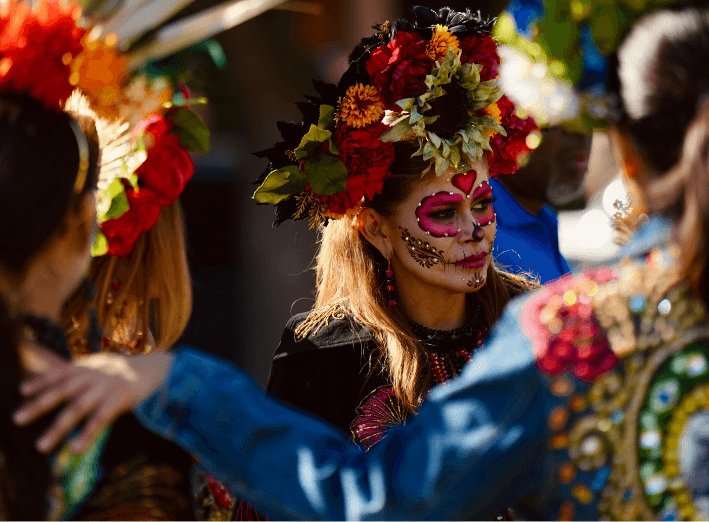
Today, La Catrina is a reminder that death comes for everyone, no matter how fancy the hat. You'll see Catrinas throughout the festival, from face-painted guests to costumed performers.
The Día de Muertos Gala: where the festival begins
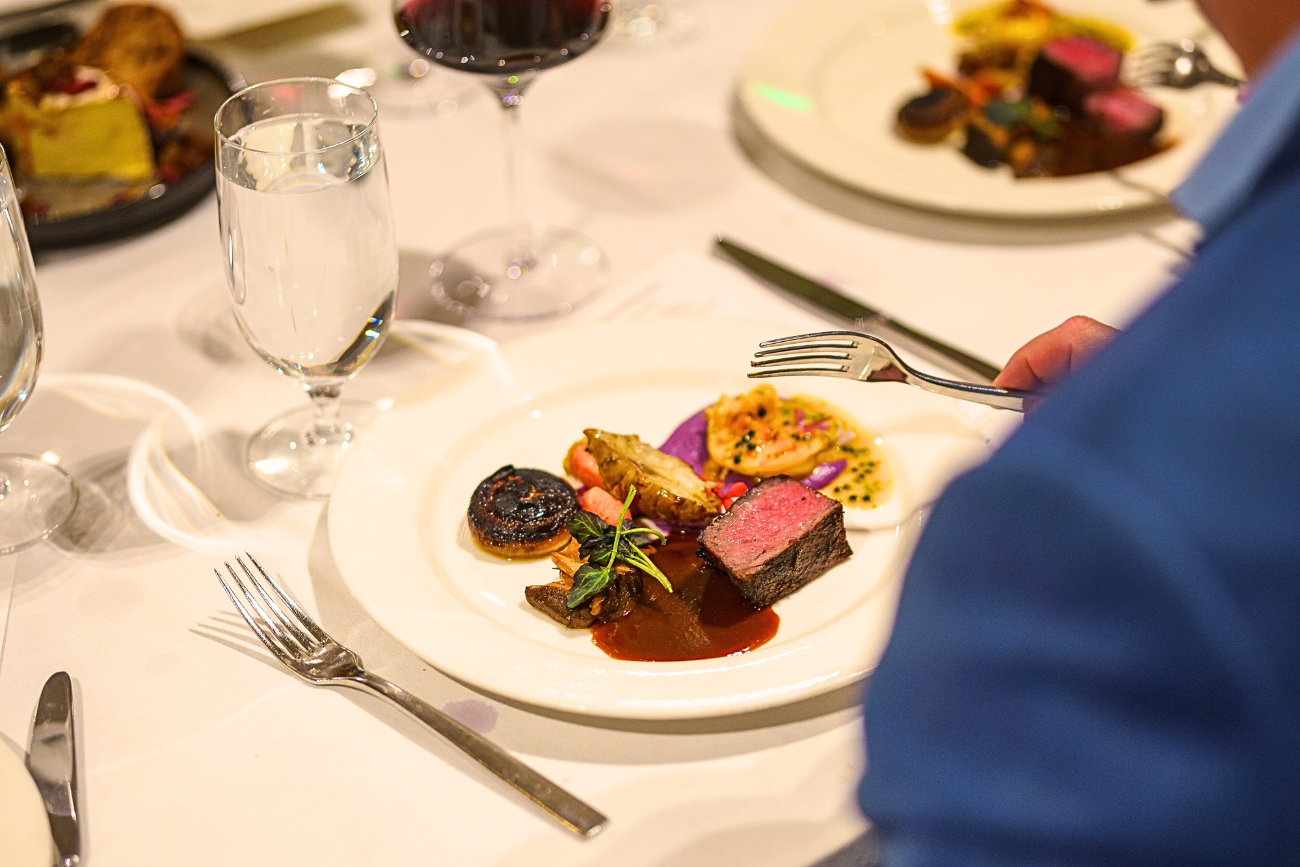
Now in its fourth year, the Día de Muertos Gala at Fairmont Grand Del Mar is the official kickoff to the San Diego Food + Wine Festival. It's one of the most elegant evenings of the week, bringing together renowned chefs, Mexican culture and philanthropy under one roof.
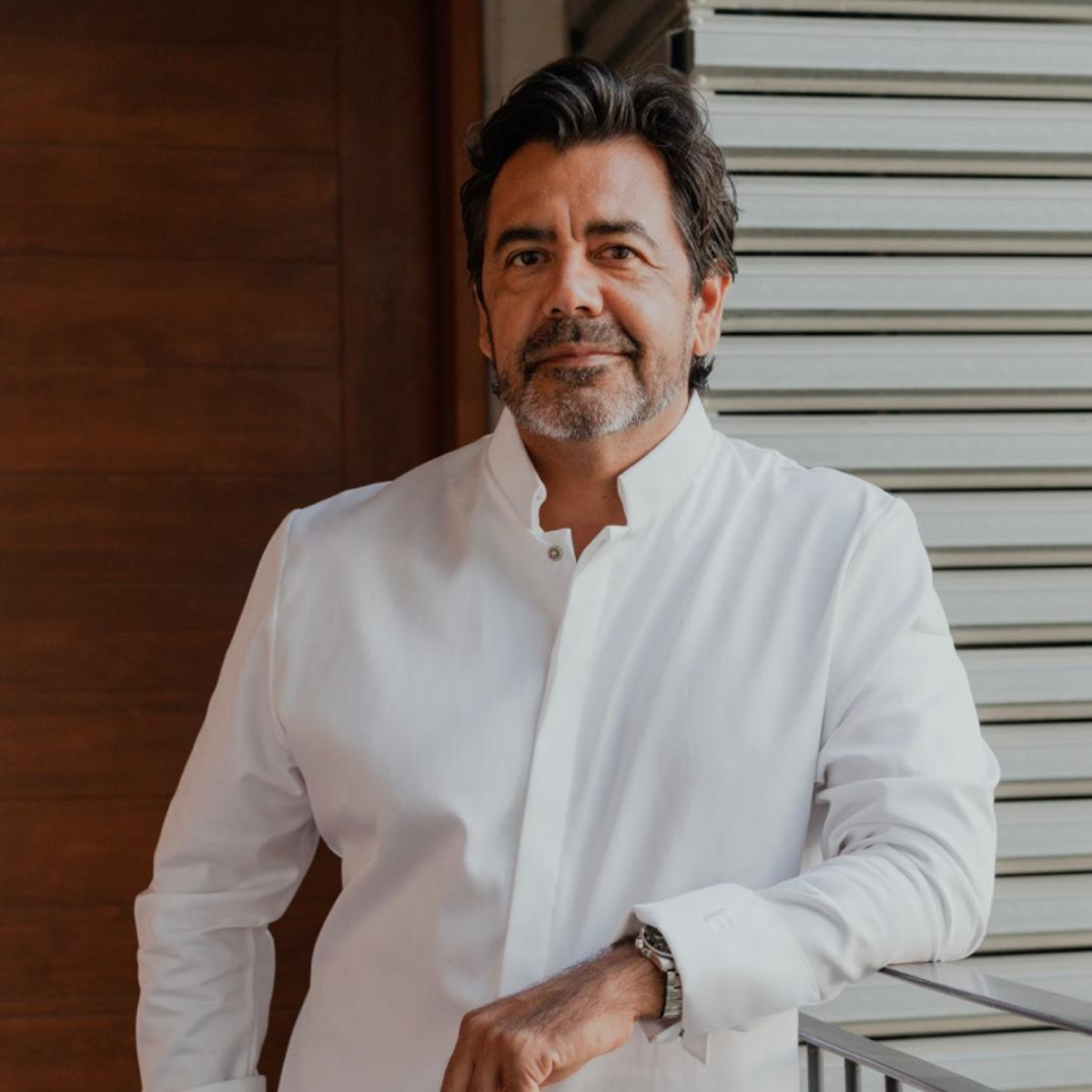
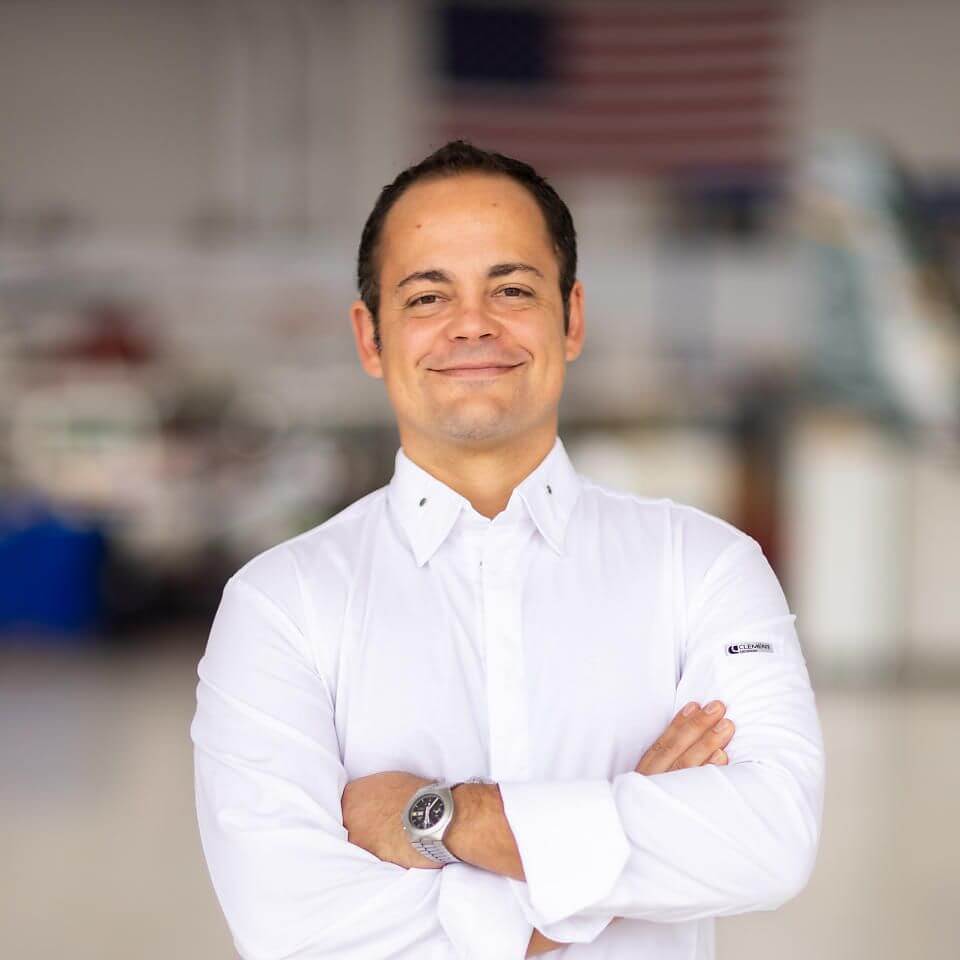
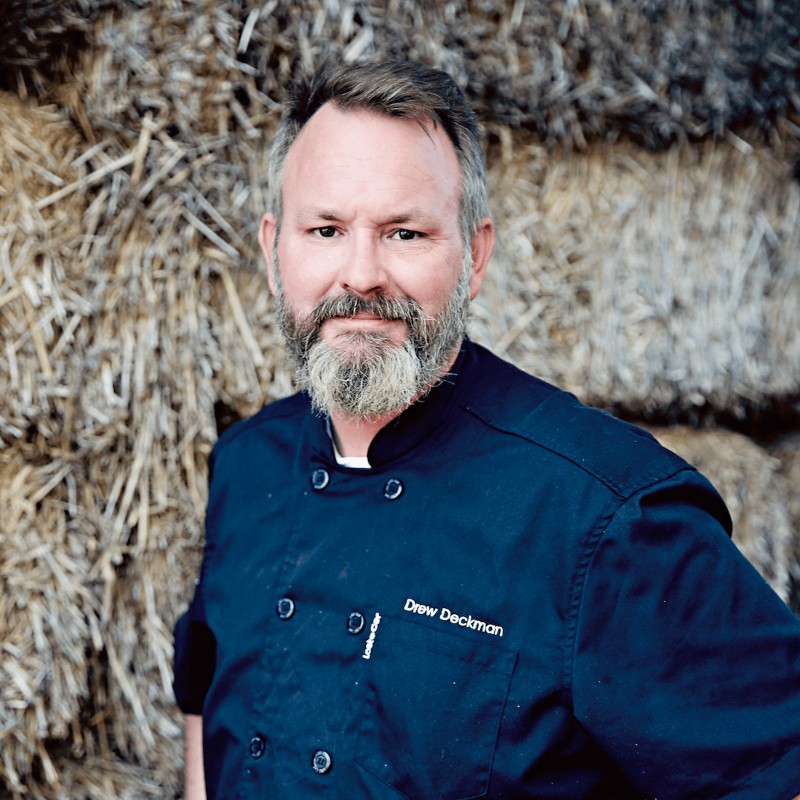
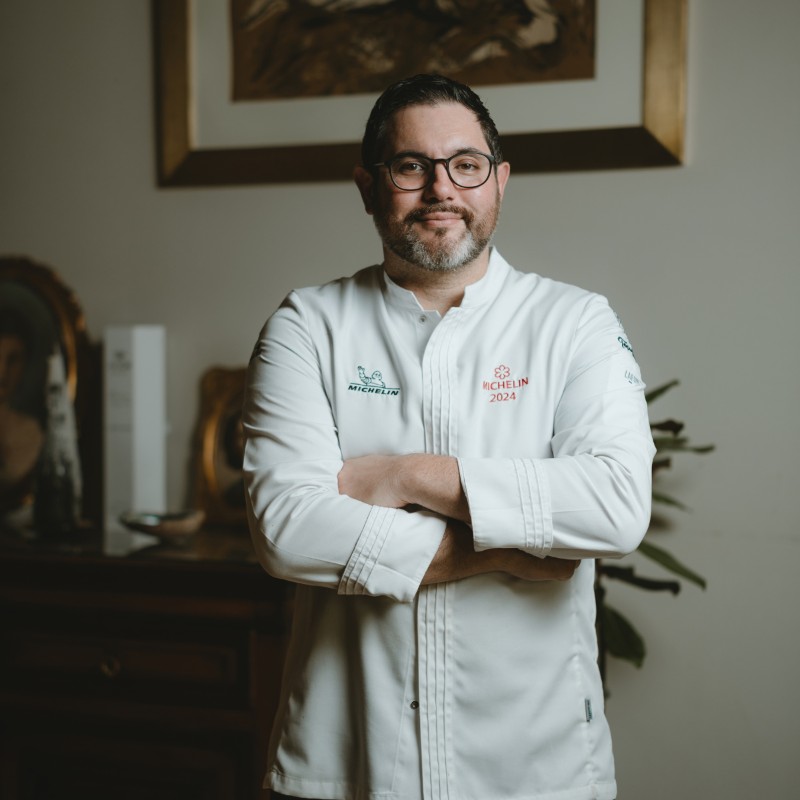
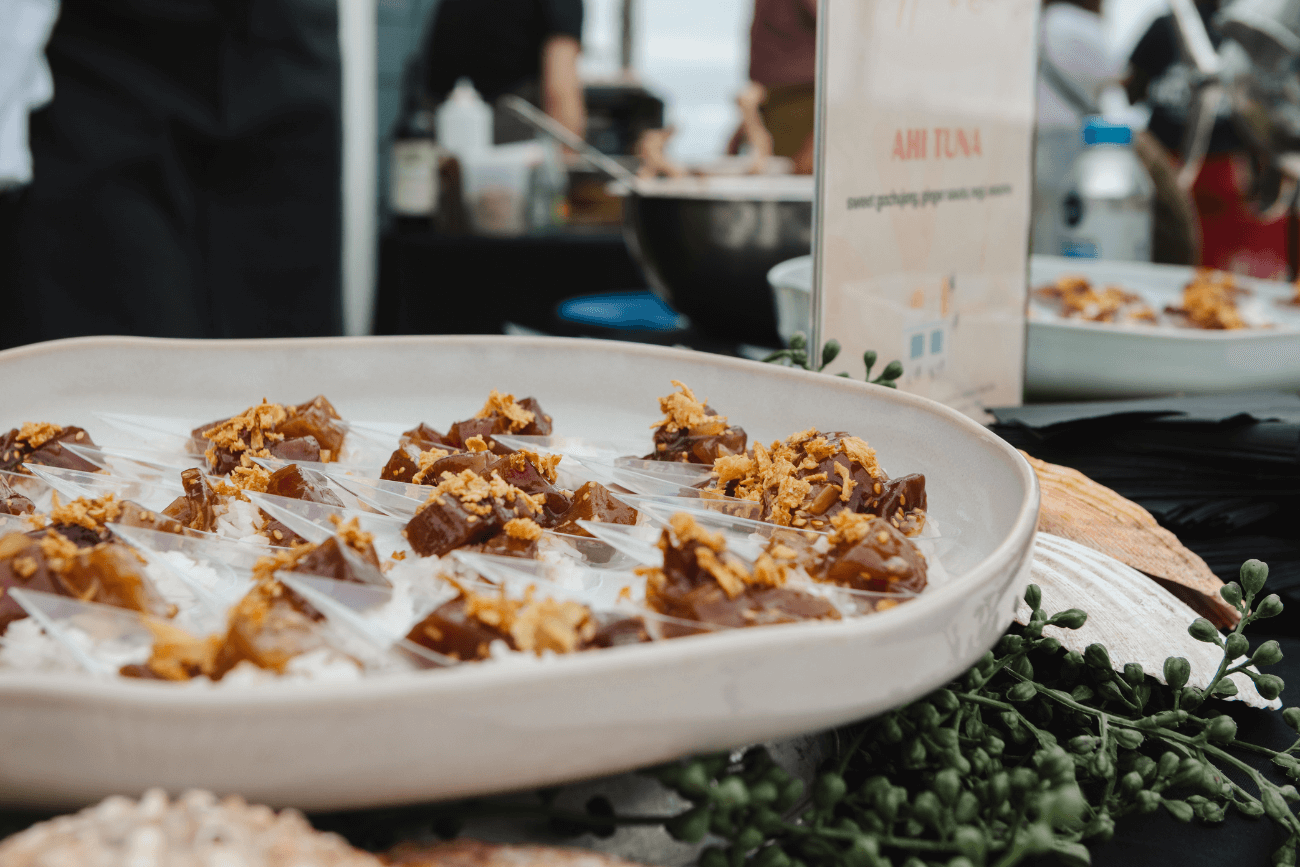
Michelin-starred chefs Javier Plascencia, Roberto Alcocer, Drew Deckman and Esteban Luis lead the kitchen, cooking alongside the rich cultural traditions of the holiday. Expect a night that honors the season with beauty and meaning, and that tastes as good as it looks.
Honoring José Andrés
This year's gala honors Chef José Andrés, the founder of World Central Kitchen. Since its founding, his organization has served millions of meals to communities hit by natural disasters, conflict and crisis around the world, often among the first to arrive with hot food.
It's a fitting honor for an evening that, at its heart, is about feeding people.
The cause: Fundación Tijuana Sin Hambre
Proceeds from the gala benefit Fundación Tijuana Sin Hambre, a binational nonprofit working to end hunger in Tijuana.
The foundation started small. Founder Maru Riqué began cooking meals in her own home kitchen in April 2020, as the pandemic shut down businesses and left families across the city struggling. Neighbors joined in, donors from both sides of the border stepped up, and the effort kept growing.
Today, the foundation runs a relief kitchen in Tijuana that prepares about 3,500 meals a day, delivered to dozens of shelters across the city. That adds up to more than a million meals a year, powered largely by volunteers. According to the foundation, a gift of just $50 feeds one person for an entire month.
When you raise a glass at the gala, you're helping keep that kitchen running.
Why it matters that we start here
Opening this year's festival with Día de Muertos says something about who we are. The San Diego Food + Wine Festival celebrates a region that doesn't stop at the border: chefs from Tijuana and Valle de Guadalupe cook alongside chefs from La Jolla and North Park, and the week's biggest names come together to lift up the community just a few miles south.
It's also a holiday about gathering around a table with the people who matter most, which is exactly what the next eight days are all about.
Full circle at the Grand Fiesta
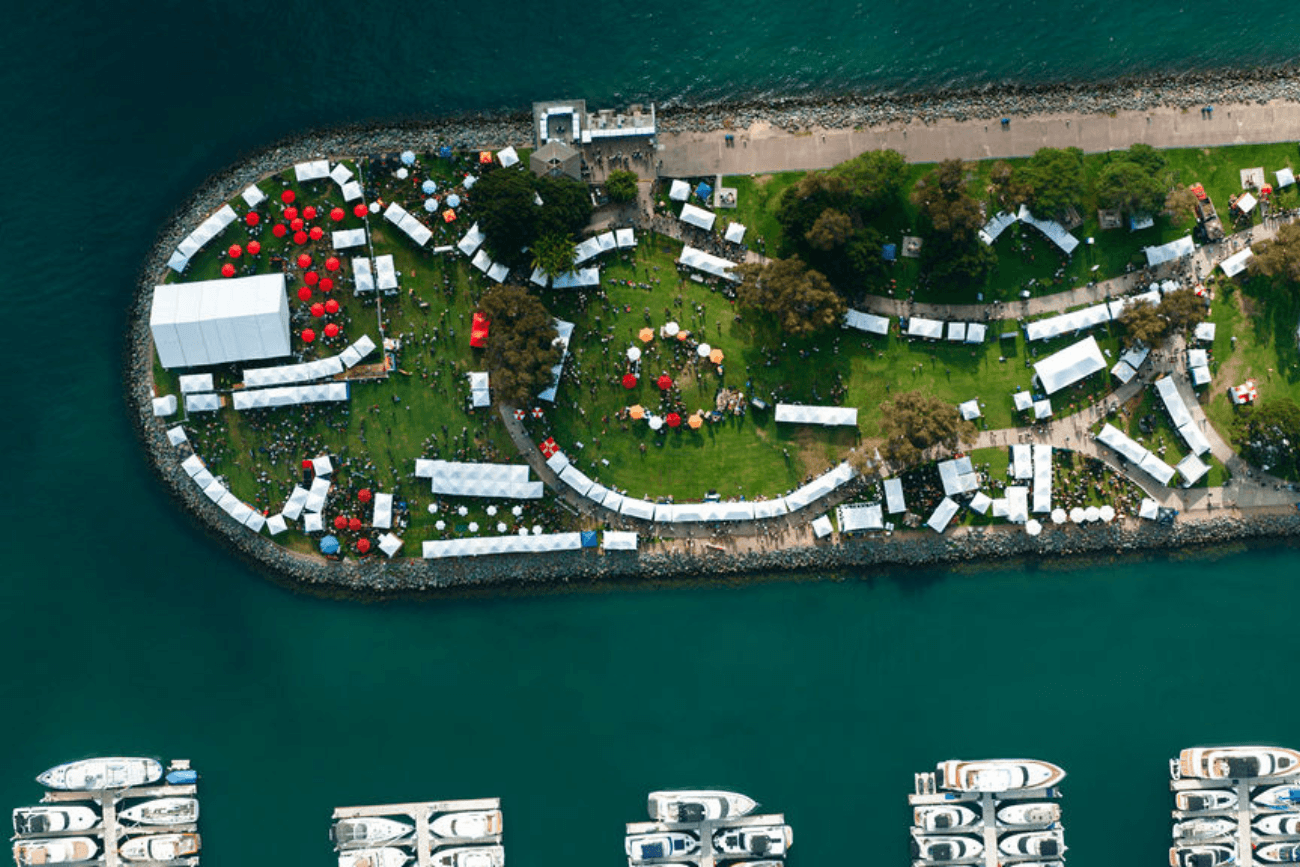
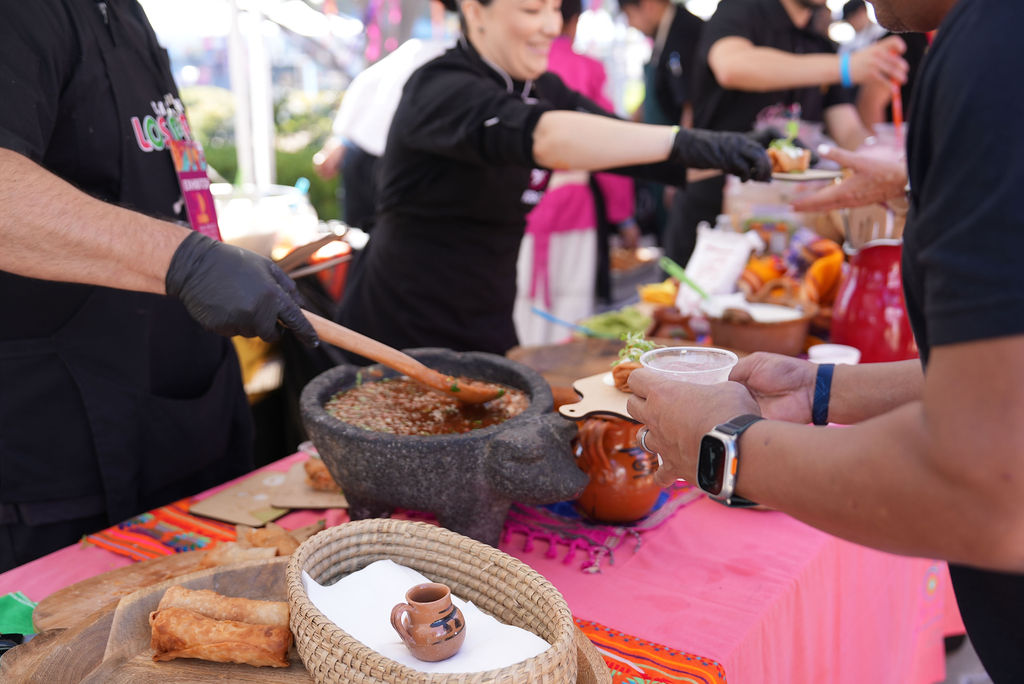
The spirit of the holiday carries through the whole week. On Sunday, November 8, the Grand Fiesta Presented by Southwest Airlines® closes the festival with colorful Día de los Muertos art and Catrinas, 80+ chefs from Southern California and Mexico, Valle de Guadalupe wines and live music from Bulevar Descarga. The festival opens and closes with the same celebration of life.
The details
Día de Muertos Gala
When: Sunday, November 1. VIP reception at 5pm, general admission at 6:30pm.
Where: Fairmont Grand Del Mar, San Diego
Grand Fiesta Presented by Southwest Airlines®
When: Sunday, November 8 · 11am–3pm
Where: Embarcadero Marina Park North, San Diego